PRO FOR PROTEIN
How To Eat as You Age.

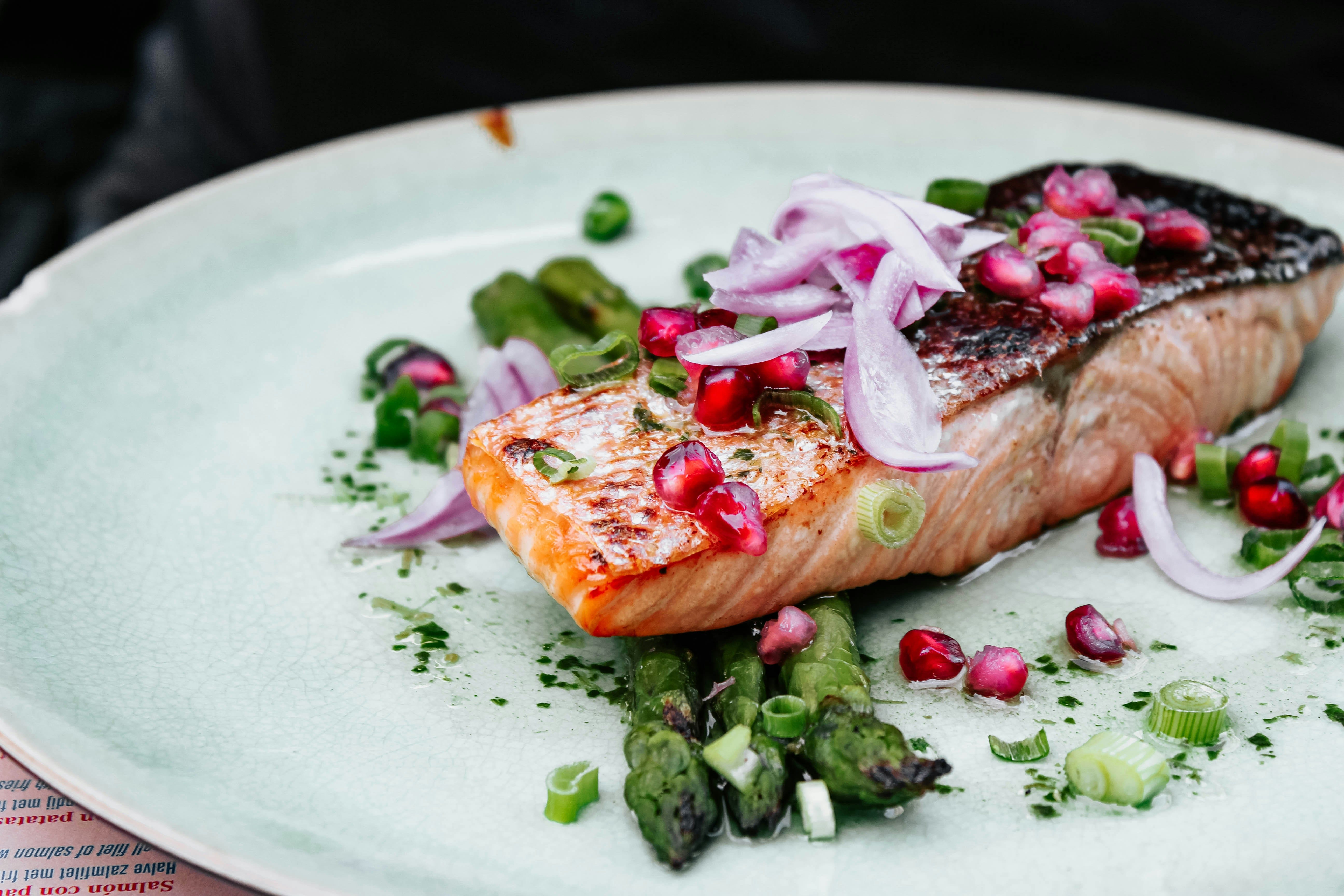
Protein is essential for good health. We need it to put flesh on our bones and to manufacture enzymes, hormones, and antibodies. It’s also important for healthy skin, hair, and nails, and for blood and connective tissues. It’s found in every cell in the body and is important for immunity against infection, muscle maintenance, and physical function. According to the Nutritional Resource Center on Nutrition and Aging, it is vital for the health of older adults. Why? Because nearly half of all protein in the body is found in muscle, and muscle mass decreases with age, with older adults losing four to six pounds of muscle per decade. Known as sarcopenia, this drop-off affects nearly 50 percent of adults above 80, according to Harvard Health, amplifying the need for protein to avoid frailty, falls, disability, and even death.
“Older people are one of the groups who may need higher protein amounts to prevent sarcopenia,” says Dr. Linda Shiue, the director of Culinary and Lifestyle Medicine at Kaiser Permanente, San Francisco. “Most healthy people get adequate protein.”
That’s why the high-protein diet is popular with a lot of people of a certain age. The goal is to have 35% of your daily calorie intake be protein, which roughly translates to about 50 grams. I was introduced to the diet recently by my sister, Sara, who is a fervent advocate of healthy living. When she explained it to me, it sounded like any of the dozen diets I’ve tried over the years. Something to try, but one that would ultimately have me reaching for my favorite Walkers’ shortbread cookies on day two.
Let’s say I’ve been pleasantly surprised.
Eating a high-protein diet has changed my life drastically for the better and it doesn’t even feel like a diet. It's revolutionary! I make a delicious crustless quiche with broccoli and cannellini beans, eat a slice or two each day, and I’m just not that hungry most of the time. It’s a miracle. For lunch, I have fruit and cottage cheese, or a salad with salmon or goat cheese, and kale. For dinner, I have a small amount of peanut butter on wheat bread or a California roll. Two slices of avocado toast with one egg on each slice make a good breakfast, and there are always shakes with whey protein if you want something quick and easy. The cravings are gone and I’ve lost about five pounds effortlessly. I know what to eat and what not to eat, and it’s all so simple. I told my sister she had saved my life.
The secret, she told me, is to look for foods that are plentiful in protein, like lean meats, poultry, fish, eggs, low-fat dairy like Greek yogurt, legumes like lentils and beans, grains, nuts, seeds, and soy products, and little to no carbohydrates, and you feel full. I have been following the diet with no red or processed meat, and I’ve added fruit and vegetables. I’ve (nearly) lost my sweet tooth.
But the Recommended Dietary Allowance of protein for older adults is the same as for younger adult men and women over the age of 19: 0.36 grams per pound of body weight. For a person who weighs 165 pounds, for example, that comes to 60 grams of protein per day.
Kaiser’s Shiue says older adults should be eating 2-1.5 g/kg/day, or even up to 2g/kg/day. The exception to this rule is those with kidney disease, for whom eating too much protein may cause further kidney damage.

Stanford's Center on Longevity recommends a protein intake of about 90 to 120 grams of protein for a 165-lb person per day.
While eating enough protein to promote gains in muscle is crucial, too much protein (about 150 grams per day for a 165-pound person) can lead to health problems.
The healthy amount of protein a person should consume each day depends on factors such as height, weight, age, sex, and activity level. You can use this calculator to determine your own needs. https://www.nal.usda.gov/human-nutrition-and-food-safety/dri-calculator.)
And being on a diet for a long time could also trigger health issues.
“It’s pretty clear that red meat is not ideal as the main protein source (heart disease and cancer risk),” says Dr. Shiue. “And if a high-protein diet excludes unrefined carbohydrates, fruits, and vegetables, people will be deficient in fiber, vitamins, minerals, and other nutrients, unless their protein sources include plant-based proteins. Fiber is important in the short term for digestive health, but in the long term is essential in preventing chronic diseases, including diabetes and high cholesterol, which is a risk factor for heart disease, as well as certain cancers.”
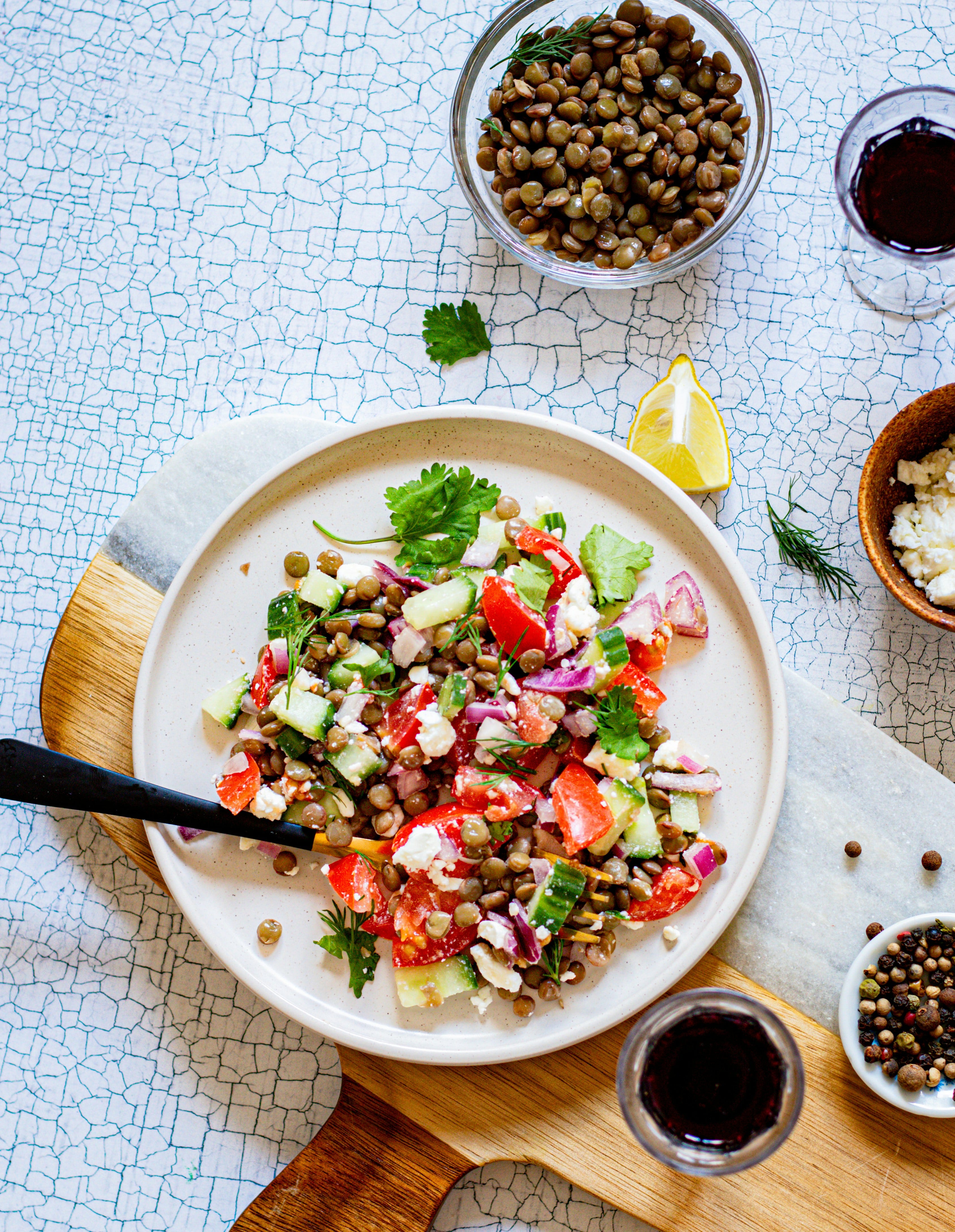
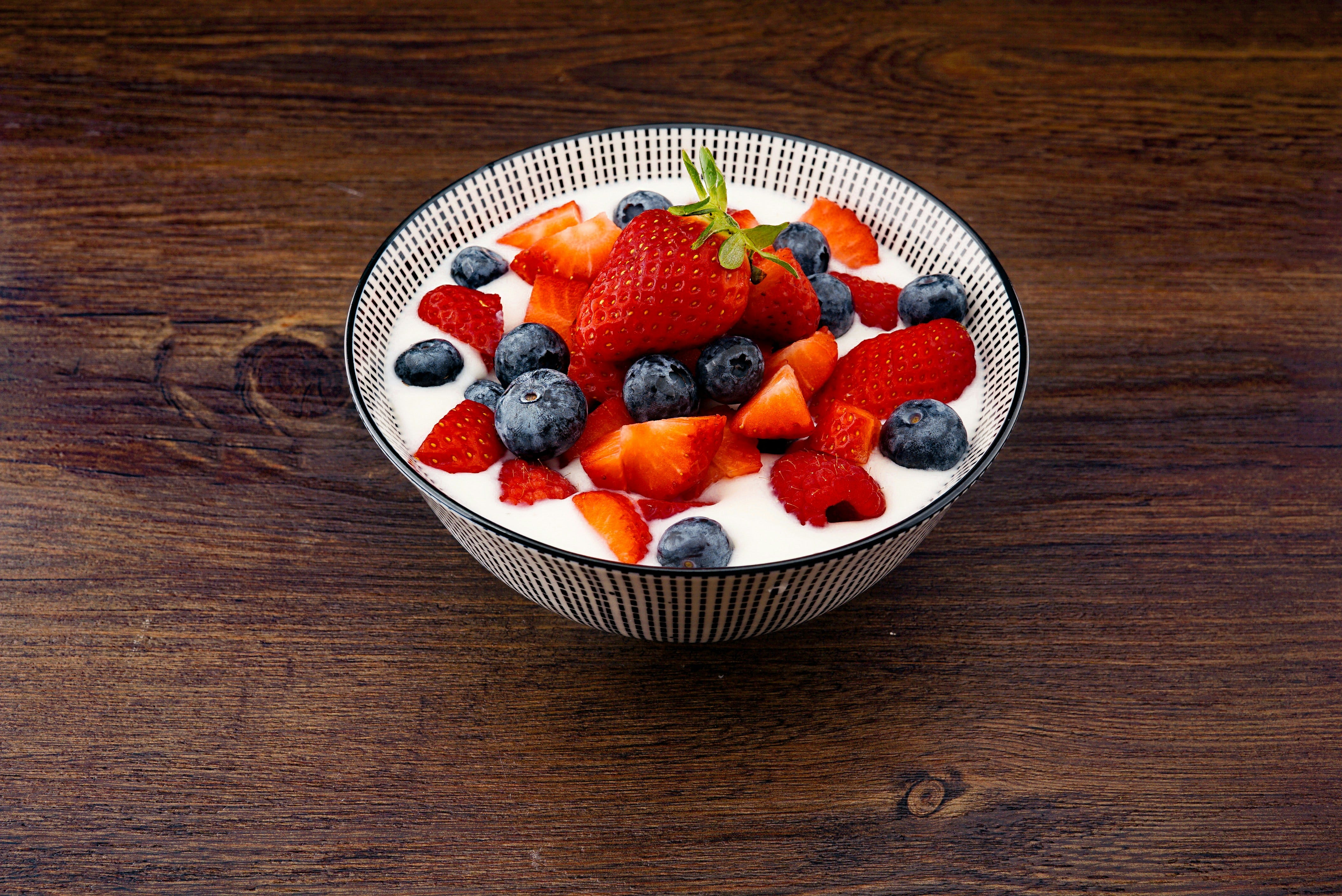
So, if you want to try a protein diet, choose your protein with care picking nutrient-rich items like a cup of low-fat Greek yogurt (24 grams), three ounces of salmon (22 grams), one cup of cooked lentils ( 17 grams), one egg (six grams), one cup of cooked spinach (five grams), and a third of a cup of almonds (10 grams). Dr. Shiue also recommends soy-based foods like tofu and tempeh, seitan (a food made from gluten), and all legumes. “Chickpeas and all lentils are especially good, plant-based sources of protein,” she adds.
It takes time to plan and make meals that are high in protein. And yes, effort. But if we can get used to thinking of protein as a normal part of our daily routine, we may face a future filled with strength, well-being, and Chobani’s Zero Sugar Cherry Greek Yogurt, with a whopping 23 grams of protein. Yum!